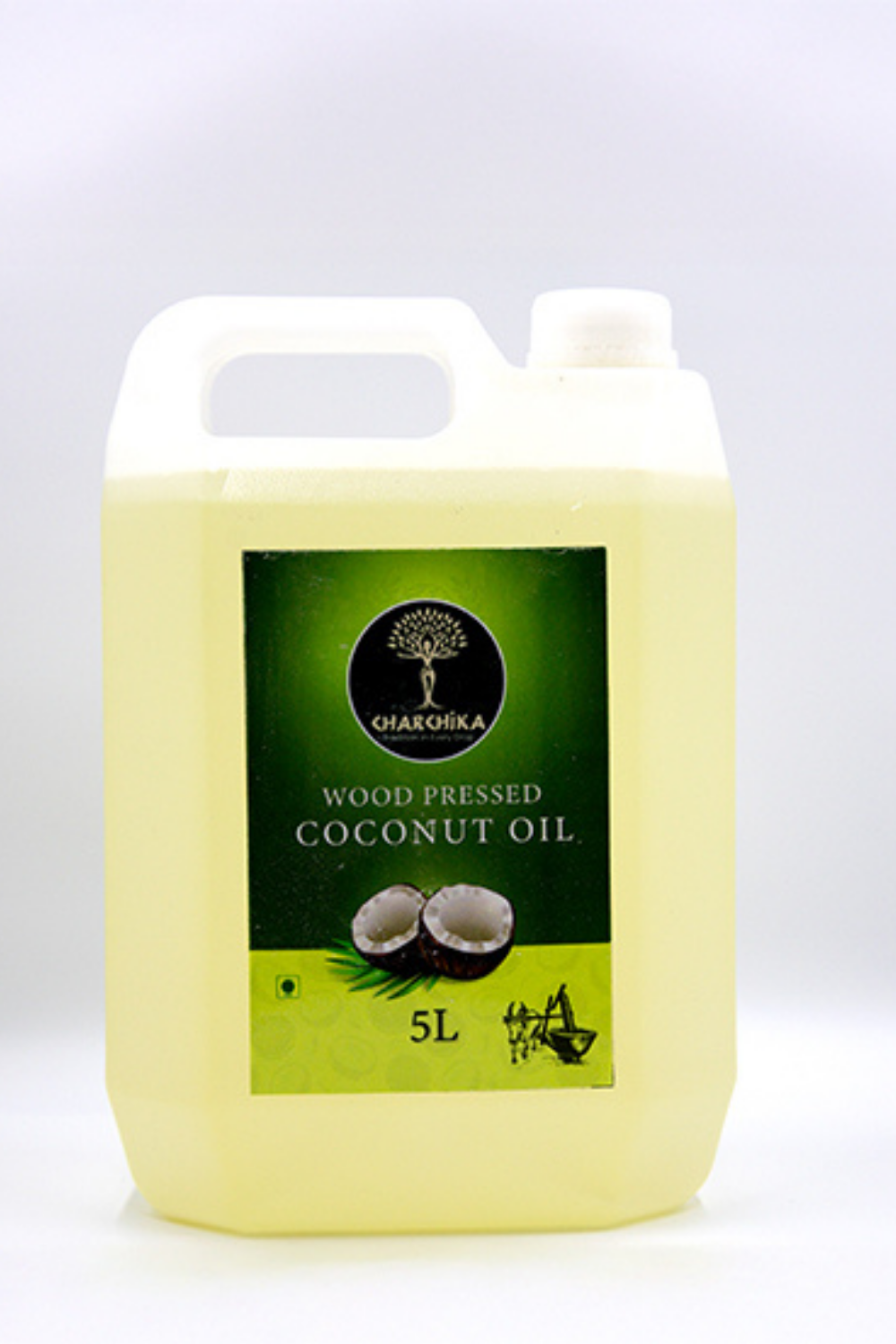

Early Morning: Planning & Preparation

- Client Brief & Moodboards
Before sunrise, I revisit the client’s brief: their brand story, target audience, and the campaign’s core message. I sketch quick moodboards or Pinterest collages to visualize color palettes, lighting setups, and shot compositions. - Equipment Check
I lay out my gear: camera bodies (usually a full‑frame DSLR and a mirrorless backup), prime and zoom lenses, LED panels, softboxes, reflectors, batteries, memory cards, and light stands. A quick checklist ensures nothing gets left behind.
2. Arrival on Location: Setting the Stage
- Scouting & Light Tests
Whether it’s a sleek product studio or an on‑site retail environment, I arrive early to scout angles, evaluate ambient light, and test my own lighting rigs. This step uncovers potential challenges like reflections, uneven surfaces, or power constraints. - Building the Set
In a studio, I adjust backdrops (white, colored, or textured), position tables or risers for products, and drape diffusers. On location, I retrofit portable softboxes and LED panels to complement existing fixtures.
3. The Shoot: Capturing the Perfect Frame
- Directing the Scene
For lifestyle or model‑assisted shoots, clear communication is key. I guide talent on posture, expressions, and interactions with products—ensuring every frame feels natural and on‑brand. - Technical Execution
- Camera Settings: I balance ISO, aperture, and shutter speed to achieve tack‑sharp focus and the desired depth of field—often shooting tethered to a laptop for instant review.
- Lighting Techniques: From high‑key white‑background shots to moody low‑key setups, I tweak power ratios, modifier placement, and gel colors to sculpt each subject.
- Camera Settings: I balance ISO, aperture, and shutter speed to achieve tack‑sharp focus and the desired depth of field—often shooting tethered to a laptop for instant review.
- Creative Variations
I capture multiple angles—wide establishing shots, tight detail close‑ups, and mid‑shots—to give the client flexibility in marketing layouts and social media formats.
4. Midday Break: Review & Recharge
- Quick Edit Preview
I transfer selects to Lightroom or Capture One, do basic color and exposure tweaks, and share a few previews with the client (if on site) to confirm we’re aligned. - Gear Maintenance
I swap memory cards, recharge batteries, and clean lenses. Keeping gear in top shape prevents hiccups later in the day.
5. Afternoon: Wrap‑Up & Wrap‑Down
- Final Shots & “Just in Case” Frames
Before I pack up lights and backdrops, I shoot a handful of safety frames—slightly different compositions or alternative lighting setups—so the client has extra options. - Pack‑Out Logistics
Carefully breaking down stands and rolling up cables ensures a smooth exit, especially important when shooting in someone else’s studio or a rented space.
6. Evening: Post‑Processing & Delivery
- Culling & RAW Development
Back at my workstation, I sift through hundreds of RAW files, marking 20–30% as keepers. In Capture One, I fine‑tune color balance, contrast, and sharpness, preserving brand‑specific color profiles. - Retouching & Motion Graphics
For product shots, I remove imperfections—dust specks, wrinkles, reflections—in Photoshop. If the brief includes animated elements, I export stills into After Effects or Premiere Pro to add subtle motion graphics, overlays, or text animations. - Client Review & Feedback Loop
I package proofs in an online gallery, invite comments, and iterate quickly on revisions: adjusting crop ratios for social media, optimizing for web versus print, or tweaking color saturation.
7. Lessons Learned & Tips for Aspiring Commercial Photographers
- Pre‑Visualization Is Everything: Sketch or storyboard your ideas to minimize on‑set guesswork.
- Master Your Gear: Know your cameras and lights so well that adjustments become instinctive.
- Communicate Clearly: From clients to stylists and talent, everyone should understand the vision and their role.
- Build a Safety Net: Always shoot extra frames and backup your files immediately.
- Stay Curious: Experiment with new lenses, lighting modifiers, or editing techniques to keep your work fresh.
Final Thoughts
A day in the life of a commercial photographer blends artistry with logistics, technical know‑how with interpersonal skills. It’s demanding—but incredibly rewarding when you see your images bringing a brand’s story to life.